
Current Affairs Section
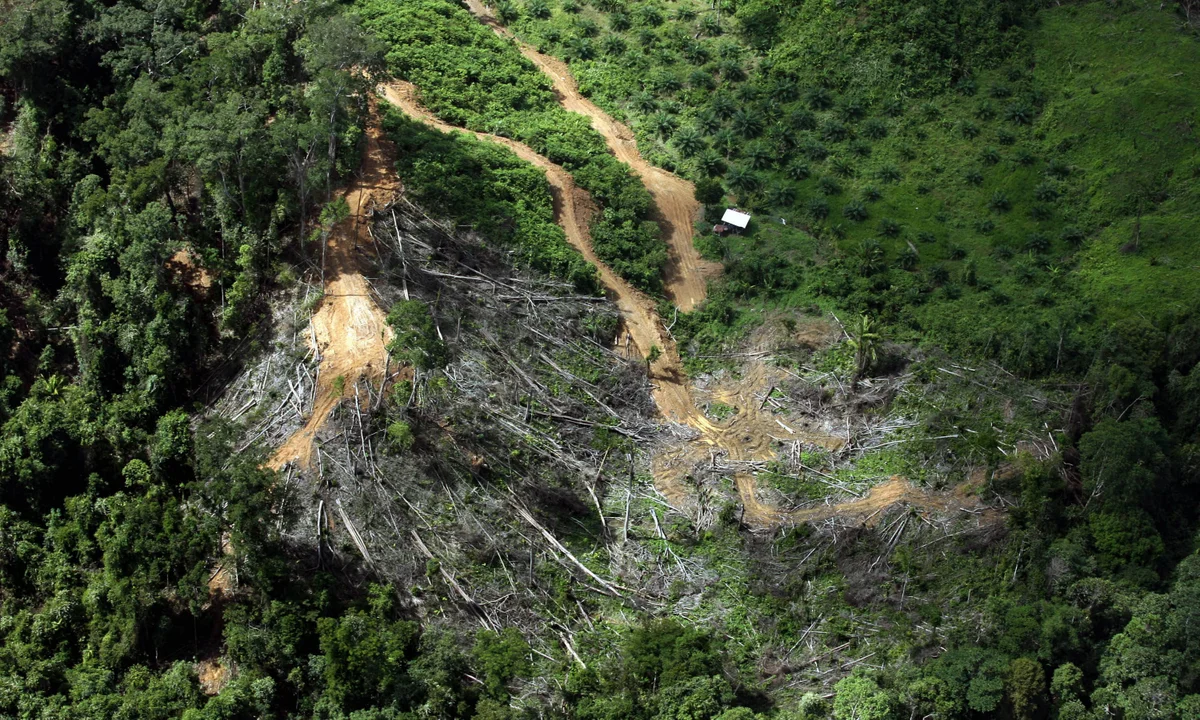
A carbon sink absorbs more carbon dioxide (\(CO_{2}\)) than it releases, while a carbon source releases more than it absorbs.
Over the past 25 years, extreme temperatures, atmospheric dryness, and drought have led to increased tree death.
The study was based on almost 50 years of data from 20 forest sites in Queensland, allowing researchers to track the shift over several decades.
The data showed that between 1971 and 2000, the forests were a net carbon sink, but by 2010 to 2019, they had become a net carbon source.
The rate of new tree growth is no longer sufficient to offset the massive amount of carbon being released by decaying wood from dead trees.
ਇੱਕ ਕਾਰਬਨ ਸਿੰਕ ਆਪਣੇ ਛੱਡਣ ਨਾਲੋਂ ਵੱਧ ਕਾਰਬਨ ਡਾਈਆਕਸਾਈਡ (\(CO_{2}\)) ਸੋਖ ਲੈਂਦਾ ਹੈ, ਜਦੋਂ ਕਿ ਇੱਕ ਕਾਰਬਨ ਸਰੋਤ ਆਪਣੇ ਛੱਡਣ ਨਾਲੋਂ ਵੱਧ ਸੋਖ ਲੈਂਦਾ ਹੈ।
ਪਿਛਲੇ 25 ਸਾਲਾਂ ਵਿੱਚ, ਬਹੁਤ ਜ਼ਿਆਦਾ ਤਾਪਮਾਨ, ਵਾਯੂਮੰਡਲੀ ਖੁਸ਼ਕੀ ਅਤੇ ਸੋਕੇ ਨੇ ਰੁੱਖਾਂ ਦੀ ਮੌਤ ਵਿੱਚ ਵਾਧਾ ਕੀਤਾ ਹੈ।
ਇਹ ਅਧਿਐਨ ਕੁਈਨਜ਼ਲੈਂਡ ਦੇ 20 ਜੰਗਲੀ ਸਥਾਨਾਂ ਤੋਂ ਲਗਭਗ 50 ਸਾਲਾਂ ਦੇ ਡੇਟਾ 'ਤੇ ਅਧਾਰਤ ਸੀ, ਜਿਸ ਨਾਲ ਖੋਜਕਰਤਾਵਾਂ ਨੂੰ ਕਈ ਦਹਾਕਿਆਂ ਵਿੱਚ ਤਬਦੀਲੀ ਨੂੰ ਟਰੈਕ ਕਰਨ ਦੀ ਆਗਿਆ ਮਿਲੀ।
ਡੇਟਿਆਂ ਨੇ ਦਿਖਾਇਆ ਕਿ 1971 ਅਤੇ 2000 ਦੇ ਵਿਚਕਾਰ, ਜੰਗਲ ਇੱਕ ਸ਼ੁੱਧ ਕਾਰਬਨ ਸਿੰਕ ਸਨ, ਪਰ 2010 ਤੋਂ 2019 ਤੱਕ, ਉਹ ਇੱਕ ਸ਼ੁੱਧ ਕਾਰਬਨ ਸਰੋਤ ਬਣ ਗਏ ਸਨ।
ਨਵੇਂ ਰੁੱਖਾਂ ਦੇ ਵਾਧੇ ਦੀ ਦਰ ਹੁਣ ਮਰੇ ਹੋਏ ਰੁੱਖਾਂ ਤੋਂ ਸੜਨ ਵਾਲੀ ਲੱਕੜ ਦੁਆਰਾ ਛੱਡੇ ਜਾ ਰਹੇ ਕਾਰਬਨ ਦੀ ਵੱਡੀ ਮਾਤਰਾ ਨੂੰ ਪੂਰਾ ਕਰਨ ਲਈ ਕਾਫ਼ੀ ਨਹੀਂ ਹੈ।
Date: Current Affairs - 10/29/2025Category: Enviornment