
Current Affairs Section
Geminid Meteor / ਮਿਥੁਨ ਉਲਕਾ
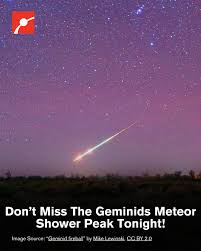
- Peaks over India between December 13–15, 2025, with ~100–120 meteors/hour under dark skies.
- An annual December meteor shower, famous for high rates, bright fireballs, and slow-moving streaks—one of the most spectacular celestial events.
- Originates from asteroid 3200 Phaethon (not a comet), a rocky body with a highly elliptical orbit.
- Extreme solar heating makes Phaethon shed debris, which Earth encounters every year.
Why it occurs
- Meteors radiate from the constellation Gemini, which rises higher after midnight, improving visibility.
- Earth crosses Phaethon’s dense debris stream from mid-November to late December, peaking in mid-December.
- Visible globally, with better rates in the Northern Hemisphere, including India.
- 13-15 ਦਸੰਬਰ, 2025 ਦੇ ਵਿਚਕਾਰ ਭਾਰਤ ਉੱਤੇ ਸਿਖਰਾਂ, ਹਨੇਰੇ ਅਸਮਾਨ ਹੇਠ ~100-120 ਉਲਕਾ/ਘੰਟਾ।
- ਸਾਲਾਨਾ ਦਸੰਬਰ ਉਲਕਾ ਵਰਖਾ, ਉੱਚ ਦਰਾਂ, ਚਮਕਦਾਰ ਅੱਗ ਦੇ ਗੋਲਿਆਂ ਅਤੇ ਹੌਲੀ-ਹੌਲੀ ਚੱਲਣ ਵਾਲੀਆਂ ਲਕੀਰਾਂ ਲਈ ਮਸ਼ਹੂਰ - ਸਭ ਤੋਂ ਸ਼ਾਨਦਾਰ ਆਕਾਸ਼ੀ ਘਟਨਾਵਾਂ ਵਿੱਚੋਂ ਇੱਕ।
- ਐਸਟਰਾਇਡ 3200 ਫੈਥਨ (ਧੂਮਕੇਤੂ ਨਹੀਂ) ਤੋਂ ਉਤਪੰਨ ਹੁੰਦਾ ਹੈ, ਇੱਕ ਬਹੁਤ ਹੀ ਅੰਡਾਕਾਰ ਔਰਬਿਟ ਵਾਲਾ ਇੱਕ ਪਥਰੀਲਾ ਸਰੀਰ।
- ਬਹੁਤ ਜ਼ਿਆਦਾ ਸੂਰਜੀ ਗਰਮੀ ਫੈਥਨ ਨੂੰ ਮਲਬਾ ਛੱਡਦੀ ਹੈ, ਜਿਸਦਾ ਸਾਹਮਣਾ ਧਰਤੀ ਹਰ ਸਾਲ ਕਰਦੀ ਹੈ।
ਇਹ ਕਿਉਂ ਹੁੰਦਾ ਹੈ
- ਉਲਕਾ ਜੈਮਿਨੀ ਤਾਰਾਮੰਡਲ ਤੋਂ ਨਿਕਲਦੇ ਹਨ, ਜੋ ਅੱਧੀ ਰਾਤ ਤੋਂ ਬਾਅਦ ਉੱਚਾ ਉੱਠਦਾ ਹੈ, ਦ੍ਰਿਸ਼ਟੀ ਵਿੱਚ ਸੁਧਾਰ ਕਰਦਾ ਹੈ।
- ਧਰਤੀ ਫੈਥਨ ਦੇ ਸੰਘਣੇ ਮਲਬੇ ਦੇ ਪ੍ਰਵਾਹ ਨੂੰ ਪਾਰ ਕਰਦੀ ਹੈ, ਜੋ ਕਿ ਅੱਧੀ ਦਸੰਬਰ ਤੋਂ ਦਸੰਬਰ ਦੇ ਅਖੀਰ ਤੱਕ ਸਿਖਰ 'ਤੇ ਪਹੁੰਚਦੀ ਹੈ।
- ਭਾਰਤ ਸਮੇਤ ਉੱਤਰੀ ਗੋਲਿਸਫਾਇਰ ਵਿੱਚ ਬਿਹਤਰ ਦਰਾਂ ਦੇ ਨਾਲ, ਵਿਸ਼ਵ ਪੱਧਰ 'ਤੇ ਦਿਖਾਈ ਦਿੰਦਾ ਹੈ।
Category: Reports & Indices