
Current Affairs Section
ISRO developed the first indigenous dust detector Dust Experiment ‘DEX’ / ਇਸਰੋ ਨੇ ਪਹਿਲਾ ਸਵਦੇਸ਼ੀ ਧੂੜ ਖੋਜਣ ਵਾਲਾ ਧੂੜ ਪ੍ਰਯੋਗ 'DEX' ਵਿਕਸਤ ਕੀਤਾ
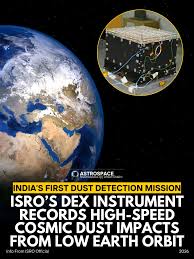
- ISRO has reported new scientific insights into cosmic dust particles that continuously interact with Earth’s atmosphere, enhancing understanding of near-Earth space conditions. Using an indigenous instrument, scientists confirmed that a microscopic cosmic dust particle impacts Earth’s atmosphere roughly every 1,000 seconds, or about once every 16 minutes.
DEX Instrument and Scientific Breakthrough
- The findings were obtained using the Dust EXperiment (DEX), India’s first indigenous cosmic dust detector, developed by ISRO.
- The 3-kg compact instrument was launched on 1 January 2024 aboard the XPoSat mission.
- During experimental operations conducted between January and February 2024, DEX successfully recorded repeated high-speed dust impacts while operating in Earth’s upper atmosphere, marking a significant milestone in space science research.
- ਇਸਰੋ ਨੇ ਬ੍ਰਹਿਮੰਡੀ ਧੂੜ ਦੇ ਕਣਾਂ ਬਾਰੇ ਨਵੀਂ ਵਿਗਿਆਨਕ ਸੂਝ ਦੀ ਰਿਪੋਰਟ ਕੀਤੀ ਹੈ ਜੋ ਧਰਤੀ ਦੇ ਵਾਯੂਮੰਡਲ ਨਾਲ ਲਗਾਤਾਰ ਸੰਪਰਕ ਕਰਦੇ ਹਨ, ਜਿਸ ਨਾਲ ਧਰਤੀ ਦੇ ਨੇੜੇ ਪੁਲਾੜ ਸਥਿਤੀਆਂ ਦੀ ਸਮਝ ਵਧਦੀ ਹੈ। ਇੱਕ ਸਵਦੇਸ਼ੀ ਯੰਤਰ ਦੀ ਵਰਤੋਂ ਕਰਦੇ ਹੋਏ, ਵਿਗਿਆਨੀਆਂ ਨੇ ਪੁਸ਼ਟੀ ਕੀਤੀ ਕਿ ਇੱਕ ਸੂਖਮ ਬ੍ਰਹਿਮੰਡੀ ਧੂੜ ਕਣ ਧਰਤੀ ਦੇ ਵਾਯੂਮੰਡਲ ਨੂੰ ਲਗਭਗ ਹਰ 1,000 ਸਕਿੰਟਾਂ ਵਿੱਚ, ਲਗਭਗ ਹਰ 16 ਮਿੰਟਾਂ ਵਿੱਚ ਇੱਕ ਵਾਰ ਪ੍ਰਭਾਵਿਤ ਕਰਦਾ ਹੈ।
DEX ਯੰਤਰ ਅਤੇ ਵਿਗਿਆਨਕ ਸਫਲਤਾ
- ਇਹ ਖੋਜਾਂ ISRO ਦੁਆਰਾ ਵਿਕਸਤ ਕੀਤੇ ਗਏ ਭਾਰਤ ਦੇ ਪਹਿਲੇ ਸਵਦੇਸ਼ੀ ਬ੍ਰਹਿਮੰਡੀ ਧੂੜ ਖੋਜਕਰਤਾ, ਧੂੜ ਪ੍ਰਯੋਗ (DEX) ਦੀ ਵਰਤੋਂ ਕਰਕੇ ਪ੍ਰਾਪਤ ਕੀਤੀਆਂ ਗਈਆਂ ਸਨ।
- 3-ਕਿਲੋਗ੍ਰਾਮ ਸੰਖੇਪ ਯੰਤਰ ਨੂੰ 1 ਜਨਵਰੀ 2024 ਨੂੰ XPoSat ਮਿਸ਼ਨ 'ਤੇ ਲਾਂਚ ਕੀਤਾ ਗਿਆ ਸੀ।
- ਜਨਵਰੀ ਅਤੇ ਫਰਵਰੀ 2024 ਦੇ ਵਿਚਕਾਰ ਕੀਤੇ ਗਏ ਪ੍ਰਯੋਗਾਤਮਕ ਕਾਰਜਾਂ ਦੌਰਾਨ, DEX ਨੇ ਧਰਤੀ ਦੇ ਉੱਪਰਲੇ ਵਾਯੂਮੰਡਲ ਵਿੱਚ ਕੰਮ ਕਰਦੇ ਹੋਏ ਵਾਰ-ਵਾਰ ਤੇਜ਼-ਰਫ਼ਤਾਰ ਧੂੜ ਦੇ ਪ੍ਰਭਾਵਾਂ ਨੂੰ ਸਫਲਤਾਪੂਰਵਕ ਰਿਕਾਰਡ ਕੀਤਾ, ਜੋ ਪੁਲਾੜ ਵਿਗਿਆਨ ਖੋਜ ਵਿੱਚ ਇੱਕ ਮਹੱਤਵਪੂਰਨ ਮੀਲ ਪੱਥਰ ਹੈ।
Category: Science & Tech